 What excites you about presenting ALICE (in Wonderland) and Cacti & Other Works this season?
The contrast between them is compelling. Together, they show how many different ways ballet can speak to an audience. ALICE (in Wonderland) draws people into a richly imaginative world of storytelling, while Cacti & Other Works challenges expectations through abstraction and musical precision. What connects them is the dancers – they are asked to stretch themselves in different directions, technically and artistically. For me, that balance is essential. A season should feel varied, alive, and reflective of where ballet is today.
What do you hope audiences discover beneath the spectacle that is Septime Webre’s ALICE (in Wonderland)?
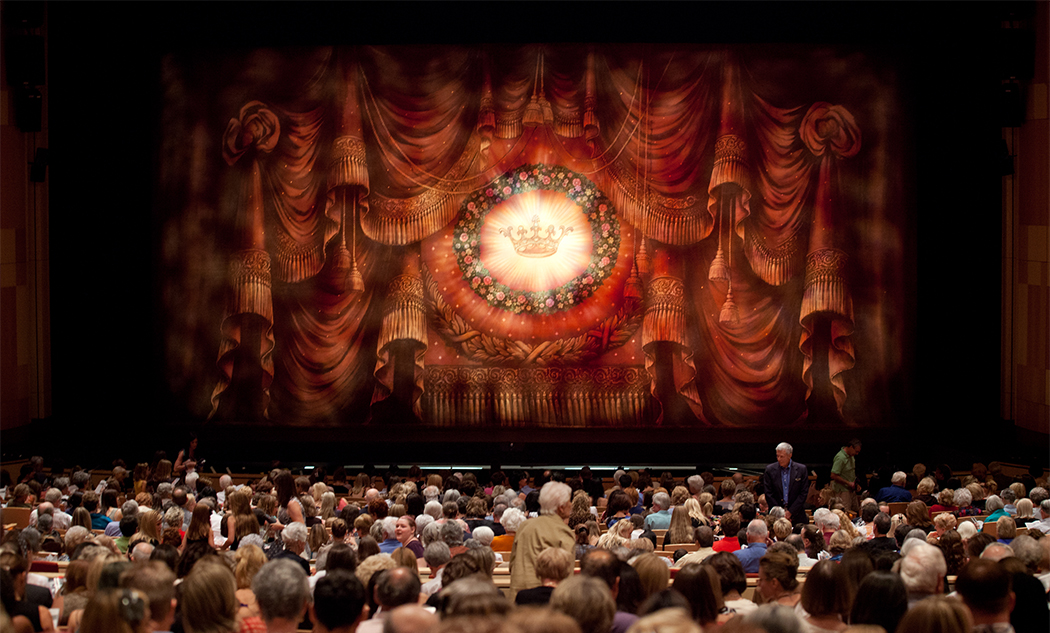
I hope audiences notice how much craft and discipline live underneath the fantasy. Septime blends highly demanding choreography with storytelling and character-driven movement, often drawing on the ballet canon in playful ways. For ballet lovers, those references add an extra layer of appreciation; for others, the experience simply feels imaginative and joyful.
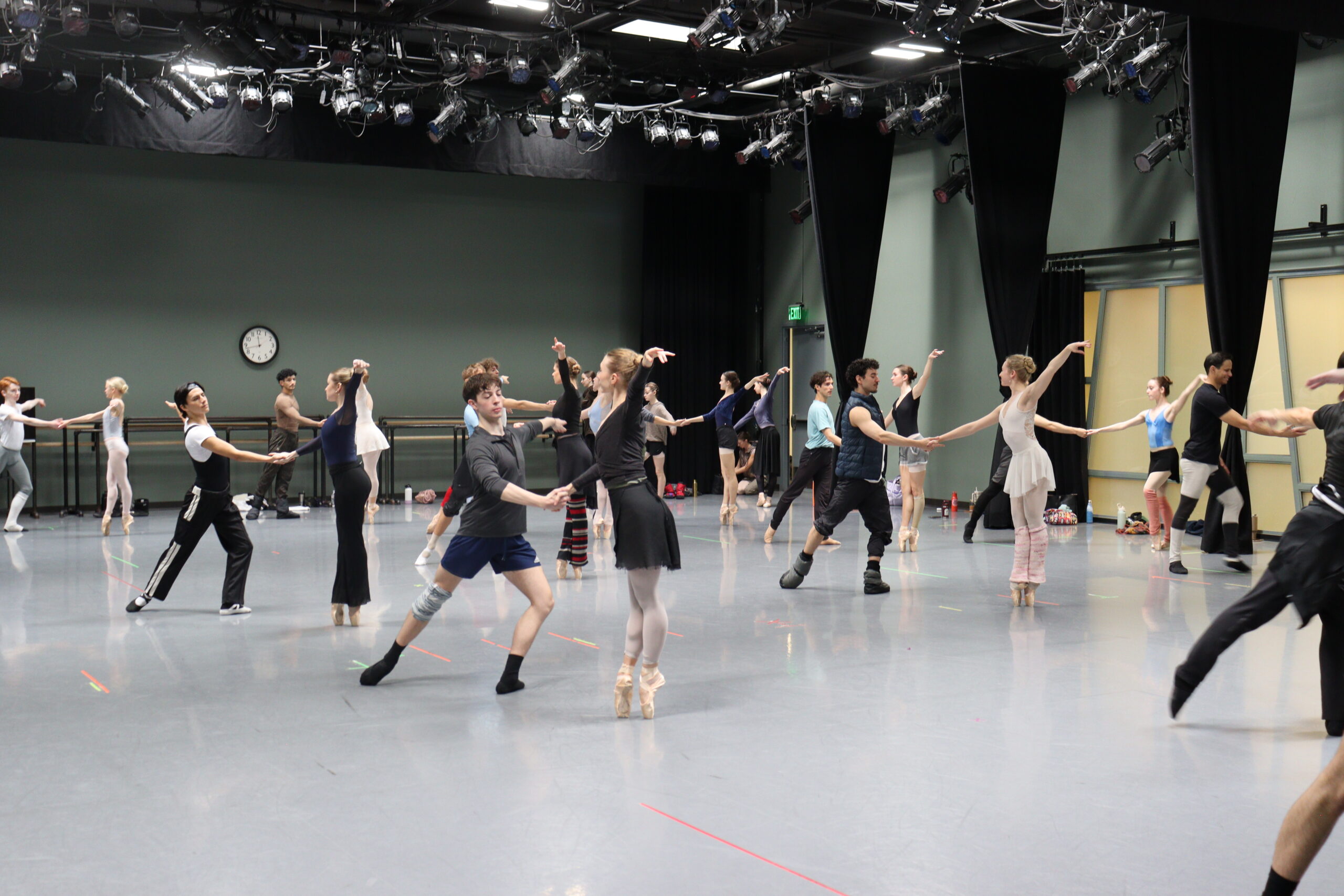
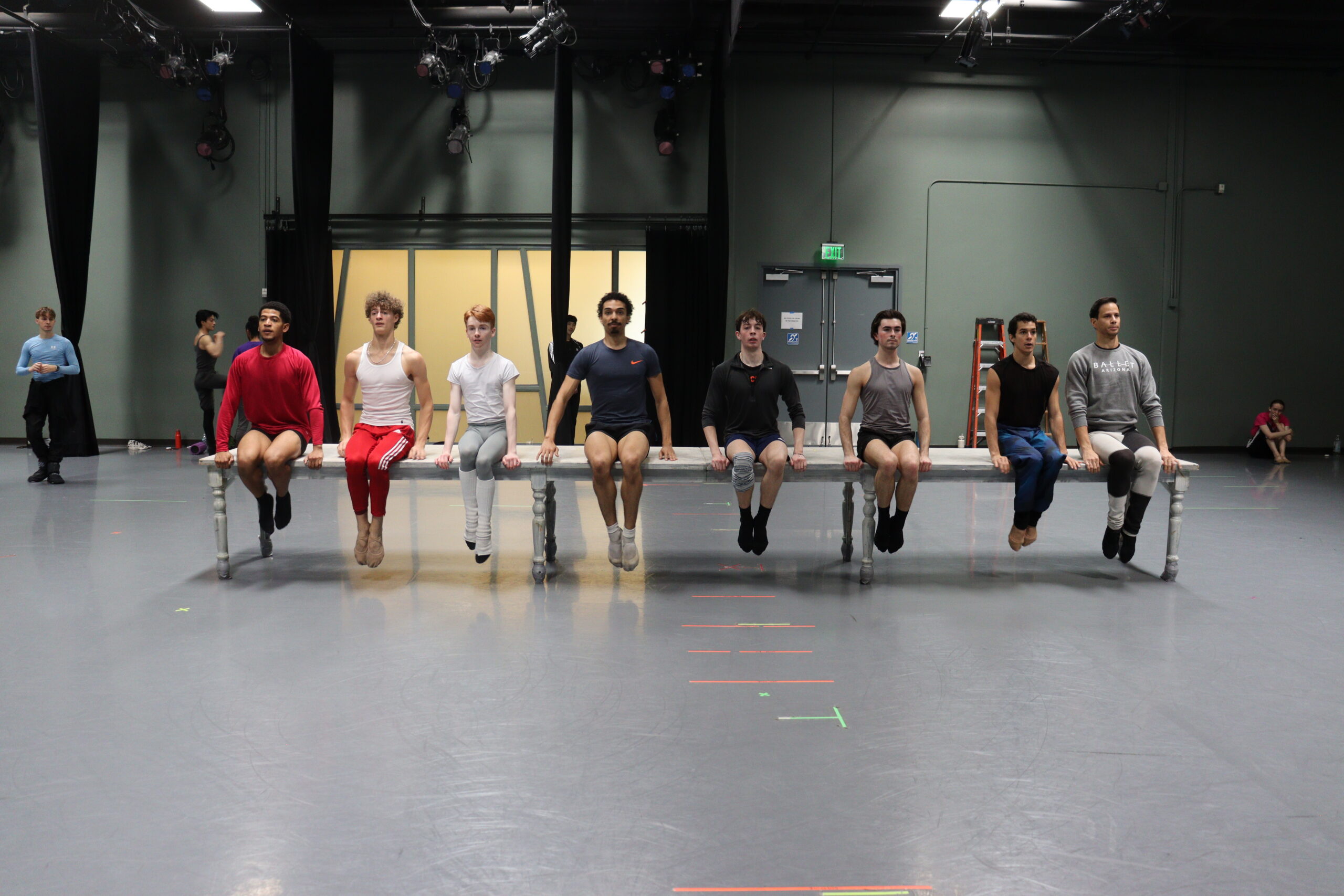
What makes this ballet especially challenging is how much it asks of the dancers beyond choreography. They must fully commit as actors—embracing humor, exaggeration, and vulnerability in ways that are very different from traditional storybook roles. The men, in particular, are pushed to their limits with many of them taking on multiple characters throughout the evening. Extensive partnering, significant lifting, rapid costume changes, and sustained stamina are required.
This production introduces technical elements Ballet Arizona has never attempted before, including characters flying onstage. It also engages the entire organization, with students from the School performing alongside the company as an integral part of the story. What appears effortless onstage is the result of extraordinary coordination and collaboration, behind the scenes.
Cacti & Other Works spans generations of choreographers. What does this range say about Ballet Arizona’s artistic identity today?
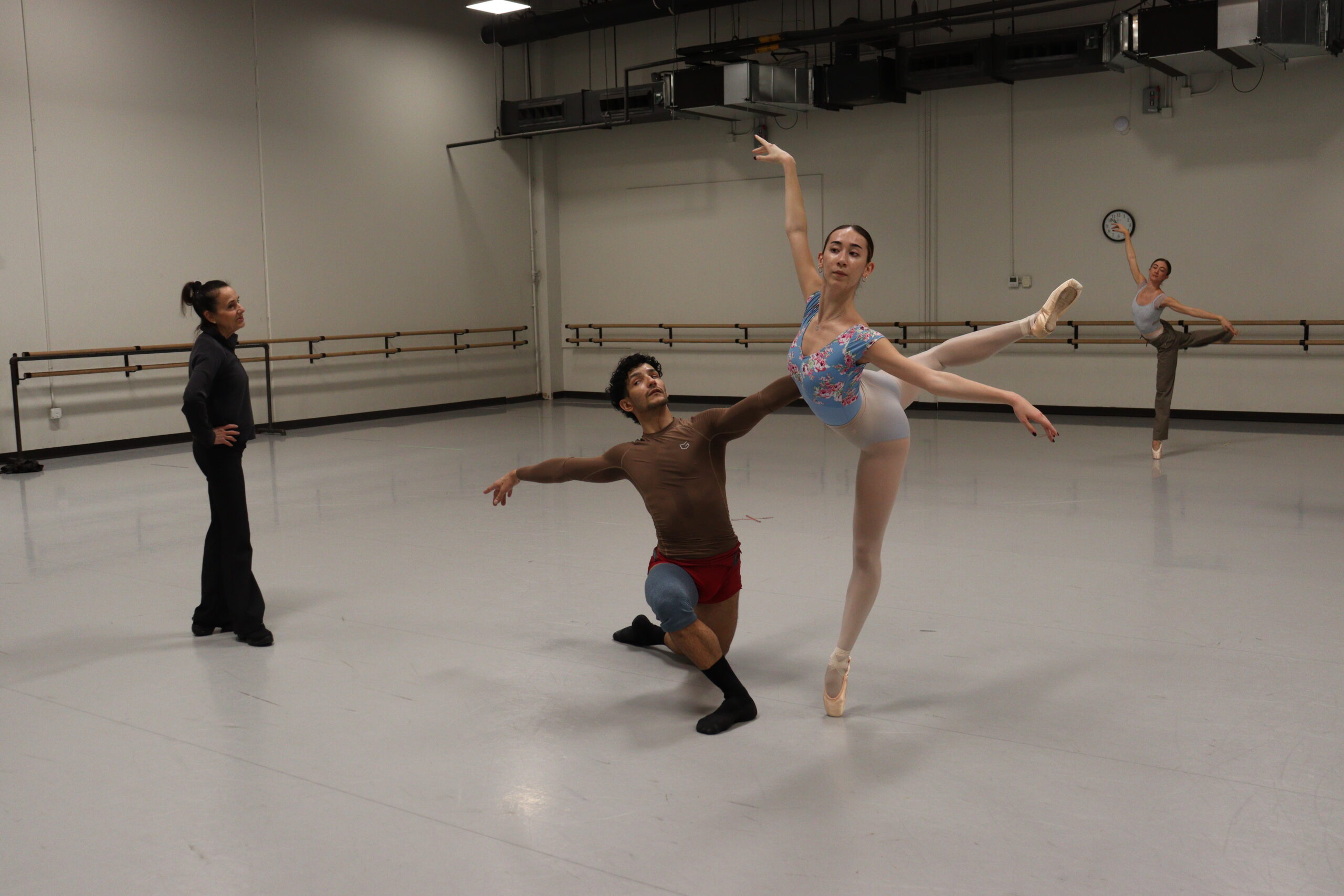
These works are masterpieces in very different ways. George Balanchine’s Apollo remains timeless – the clarity of the choreography and the purity of the lines still feel incredibly powerful. Hans van Manen’s Concertante is restrained and abstract, yet emotionally intense. His work is dependent on nuance, musical precision, and intention. The steps may appear simple; without depth and interpretation, the ballet does not exist.
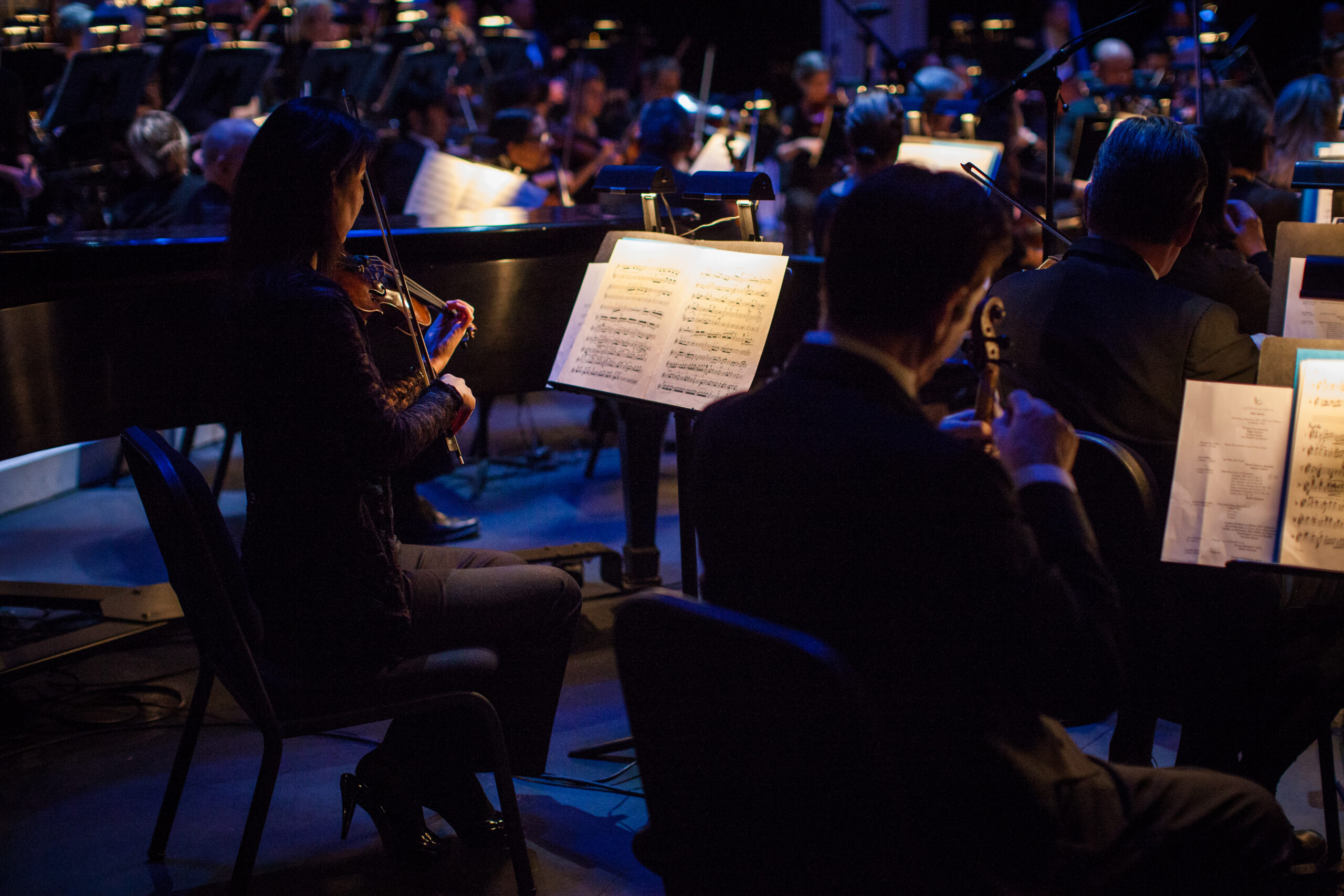
Cacti takes you somewhere completely different. It is playful, rhythmic, and deliberately resists interpretation. The dancers must be precise while embracing humor and spontaneity, often in direct relationship with the musicians onstage. For audiences, it is an invitation to let go and simply experience the moment. Together, these works reflect a company that values tradition, curiosity, and a willingness to explore new artistic terrain.
Why does this moment feel especially meaningful for Ballet Arizona right now?
This feels like a moment of growth and openness. We are honoring the traditions that define ballet while also asking new questions about how stories are told and how movement connects to our lives today. Not every work will feel familiar, but each is chosen with intention and care.
What has moved me most is how willing our audience has been to come along on that journey. Ballet should inspire, but it should also reflect the full range of human experience. I am deeply grateful for the trust our supporters place in us, and I believe that trust is helping shape a vibrant future for Ballet Arizona.