 This is your first season fully programmed as Artistic Director. How do you hope this year’s repertoire reflects your vision for Ballet Arizona?
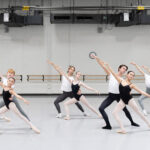
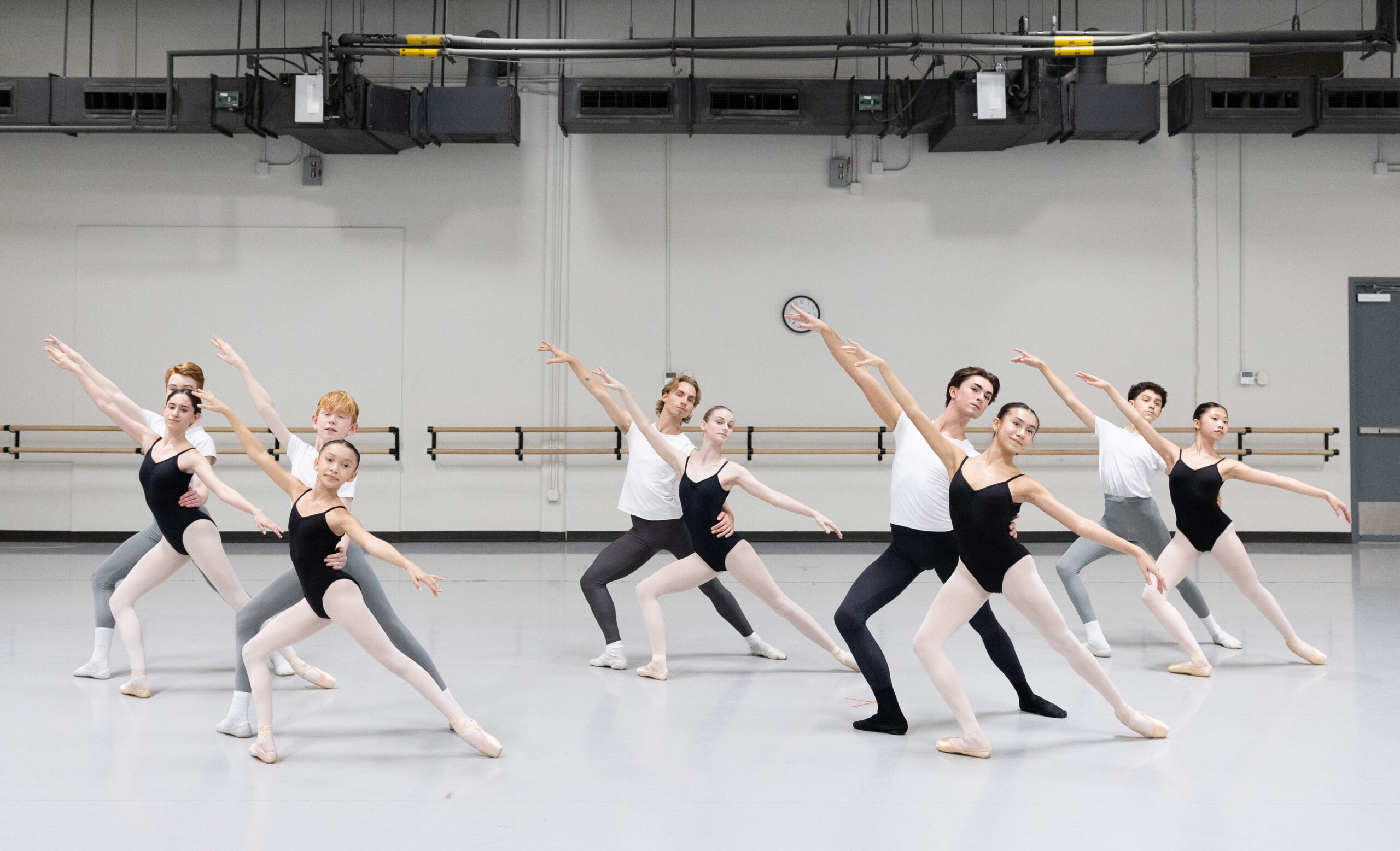
I hope they see the versatility of our dancers—the ability to perform at the highest level across classical, neoclassical, and contemporary works. More broadly, I hope our community trusts that whatever we bring to the stage will be of the highest quality and full of heart.
Why did you choose to begin with The Sleeping Beauty?
Programming is always about balance. As a ballet company, we are the gatekeepers of the classical canon—works like The Sleeping Beauty, Swan Lake, Giselle, and Romeo & Juliet. These ballets are what made the art form famous, and it’s our responsibility to keep them alive. Personally, The Sleeping Beauty has always been close to my heart. I danced many roles in it throughout my career, and the very first solo I learned as a student was one of the fairies. It feels like part of my artistic DNA, so opening my first season with this work is very meaningful.
I also think about the experience from the audience’s perspective. I hope they feel transported. The Sleeping Beauty is a fairy tale full of magic, beauty, and transformation — and at its heart, it’s about the triumph of love and goodness. My dream is for audiences to leave the theatre inspired, having shared in something timeless and uplifting that speaks to both children and adults alike.

You are adapting Marius Petipa’s choreography to honor the original masterpiece. Can you talk about your approach to balancing tradition with your own artistic voice in this production?
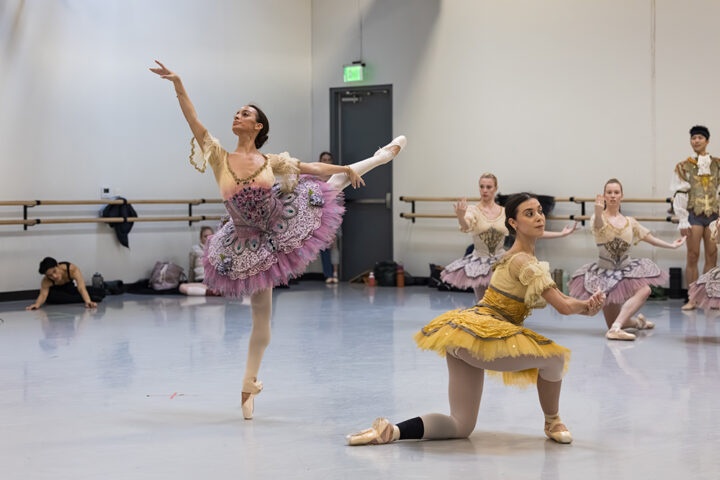
Preserving the elegance and refinement of the 19th-century style is essential—how the arms, head, and upper body move is part of the ballet’s soul, and I want our dancers to embody that language authentically. At the same time, adaptations are inevitable. Ballets evolve, and companies today have different resources than Petipa’s era, so I aim to stay as close to the original as possible while tailoring it to our dancers, sets, and costumes. Some sections, like the Act I “Garland Waltz” and Act II hunting scene, must be reimagined, but always with the story’s clarity in mind. My goal is to preserve its integrity while shaping a production that feels alive, fresh, and accessible for today’s audiences.
This ballet is often called a test of a company’s technical and artistic range. How are you preparing the company to meet those challenges?
The Sleeping Beauty is one of the hardest ballets for a ballerina. Aurora must dance three pas de deux and three demanding variations, requiring not just technique but immense control and style. Other roles, like Carabosse, are less technically difficult but demand great acting skills. Each role presents unique challenges. My job is to be very precise from the beginning, so dancers can adapt their training to embody the 19th-century style. Our company is versatile, and I trust they’ll meet the challenge with artistry and strength.