
What inspired the repertoire for Ballet in Bloom at Desert Botanical Garden?
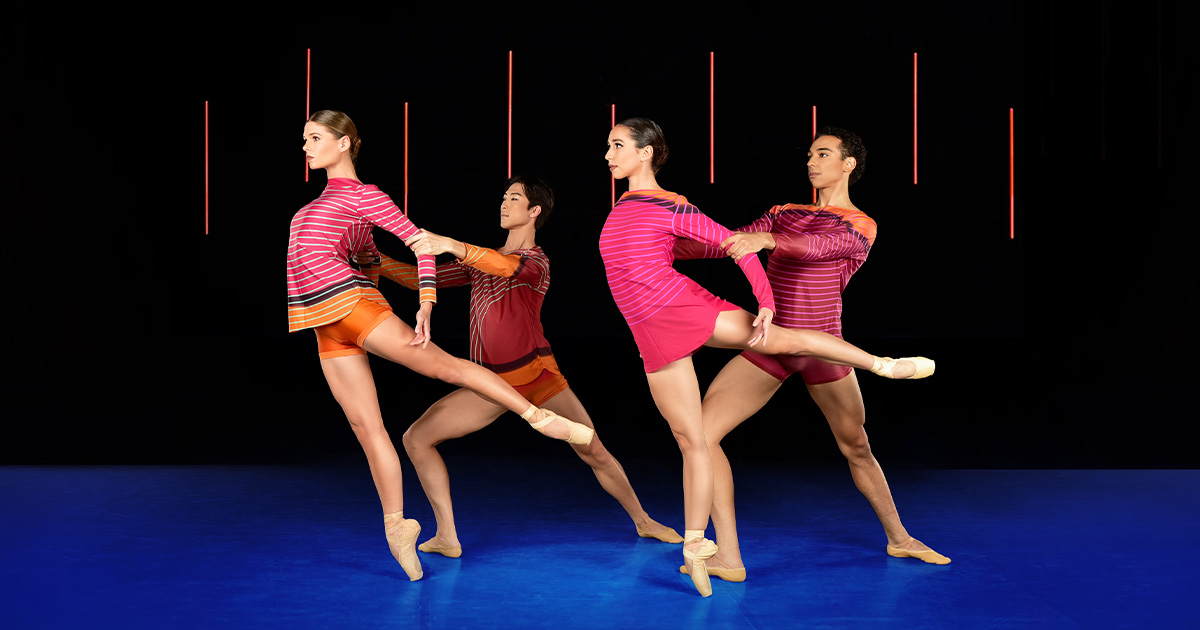
I was thinking about what works best at Garden – something open, uplifting, and engaging. Lar Lubovitch’s Concerto Six Twenty-Two, set to Mozart’s Clarinet Concerto, has a lightness and warmth that feels perfectly suited to that environment. It’s playful and expansive without being overwhelming, and his choreography captures that balance beautifully.
This ballet has stayed with me for many years. I performed it early in my career and never forgot the experience of dancing it. Even now, it still feels timeless. The movement reflects the music with such integrity – never forcing a narrative, but allowing audiences to interpret what they see in their own way.
My ballet, Reset, offers a different energy. It was originally created for West Australian Ballet in an outdoor venue, so it naturally translates to Desert Botanical Garden. The music by Gabriel Prokofiev blends classical structure with electronic elements, creating something rhythmic, dynamic, and unexpected.
Together, these works show two very different, but equally compelling, ways of experiencing ballet, highlighting both the tradition and evolution of the art form.
This will be the U.S. premiere of Reset—how does it feel to bring your work to the Ballet Arizona stage?
It’s exciting, but also personal. As Artistic Director, I spend much of my time shaping the overall vision of the company, so returning to the studio as a choreographer is refreshing. There is a certain personal element in that process, because you are sharing something that comes directly from you.
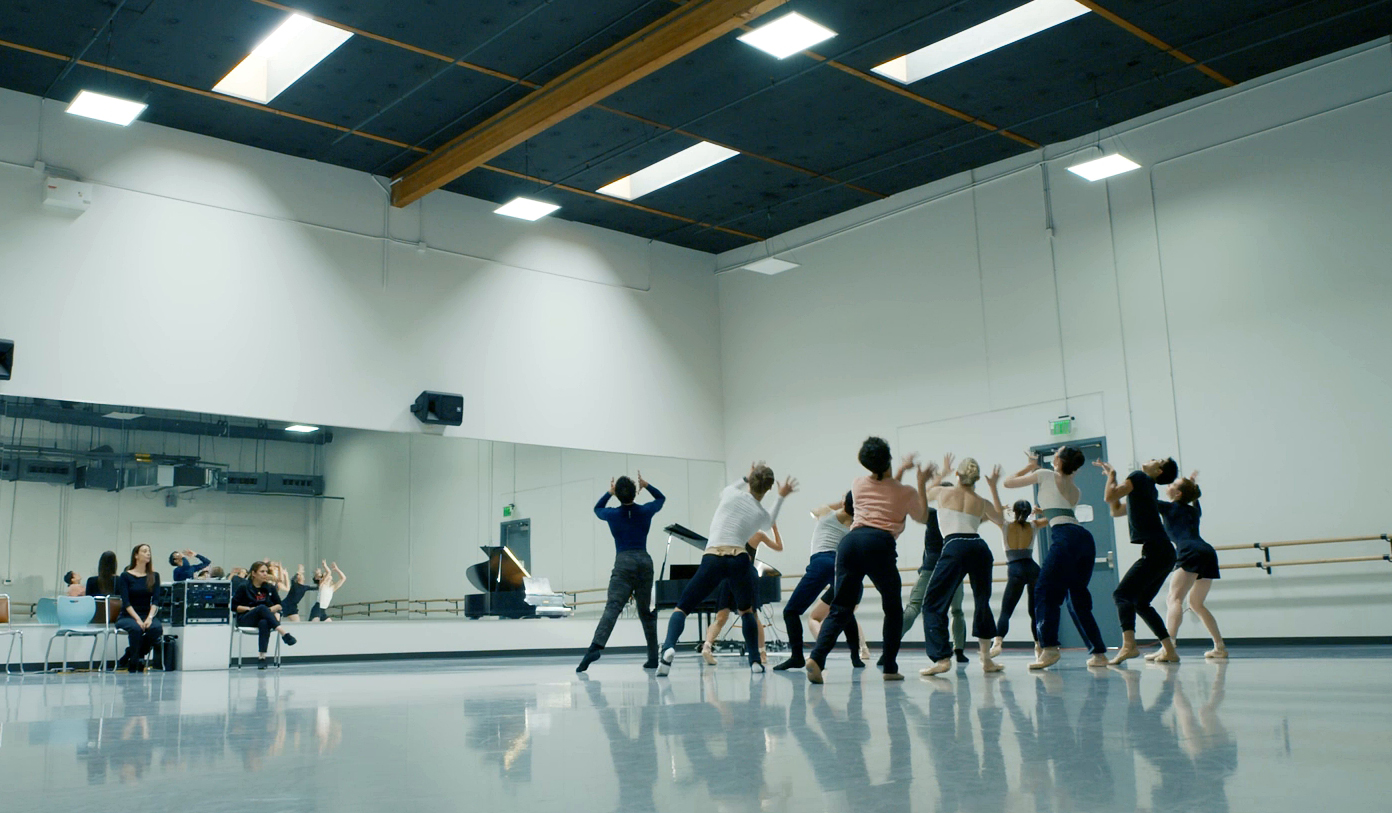
It is fulfilling to be in the studio with the dancers in a creative way. Reset asks them to move differently – there is a looseness and a sense of rhythm that comes from the music – and they have embraced that challenge fully. It’s been rewarding to see them take ownership of the work and bring their own artistry into it.
At the same time, it has reminded me how important it is to balance both roles. I love choreographing, but it requires a great deal of time and focus, so it needs to live in specific moments within the season. That balance allows me to support the company while still continuing to create.
As you reflect on your second season as Artistic Director, what stands out most?
I’m most proud of the consistency and level of performance across the entire organization. The dancers and the team have delivered every production with care, focus, and a willingness to grow.
The Sleeping Beauty was a meaningful starting point – it allowed me to build a strong foundation with the dancers and establish a shared understanding of style and precision. Later in the season, ALICE (in Wonderland) challenged the company in completely different ways, both technically and theatrically. It required a very specific balance in performance – finding the right point between restraint and expression—and the dancers rose to that challenge beautifully. The audience response was incredibly rewarding.
Beyond the stage, one of the most meaningful moments for me was our sensory-friendly performance of The Nutcracker. Creating a space where more people can access and experience dance is essential to our mission. The feedback we received was deeply moving and a reminder that the arts should be available to everyone.